The RSS feed URL you’re currently using https://follow.it/themodernjedi will stop working shortly. Please add /rss at the and of the URL, so that the URL will be https://follow.it/themodernjedi/rss
source https://follow.it/
The RSS feed URL you’re currently using https://follow.it/themodernjedi will stop working shortly. Please add /rss at the and of the URL, so that the URL will be https://follow.it/themodernjedi/rss
source https://follow.it/
Breaking the ice is a vital aspect of initiating conversations with strangers. This initial step serves several purposes, from delivering a good first impression to paving the way for a deeper connection.
In most cases, the first few minutes in any interaction can dramatically impact the entire course of your relationships.
By breaking the ice, you take control of those crucial early moments. It allows you to present yourself positively and confidently, which could significantly influence the stranger’s perception of you.
Moreover, it gives you an opportunity to showcase your communication skills and demonstrate your willingness to engage in meaningful dialogues.
An effective ice breaker removes barriers to communication. By initiating a conversation and introducing a topic that sparks shared interest, you eliminate the awkward silence and fill the air with meaningful discourse. It creates an atmosphere where both parties feel more comfortable expressing their thoughts and opinions openly. This open dialogue can quickly build rapport, leading to a more fruitful interaction.
Breaking the ice is also essential in establishing connections on a deeper level. It allows you to learn about the other person beyond their surface-level characteristics, further helping you understand their personality, perspectives, and experiences. These initial interactions can lay the groundwork for potential friendships, partnerships, or collaborations in the future. Therefore, mastering the art of breaking the ice can open doors to various opportunities and create lasting relationships.
The first thing to consider when initiating a conversation with a stranger is your body language. Your nonverbal cues can significantly impact how your approach is perceived. A relaxed posture, genuine smile, and direct eye contact can establish a sense of trust and openness. Remember to respect personal space and avoid any gestures or expressions that might come off as imposing or aggressive.
Small talk serves as an ice-breaker and allows you to transition into more meaningful topics smoothly. Some good starting points might be the weather, local events, or shared experiences. For instance, if you’re at a public event or a festival, comment on the crowd, atmosphere, or a specific highlight of the event. Compliments can also work as conversation starters, given they are sincere and relevant. But remember, the key to successful small talk is listening attentively to the other person’s responses and showing genuine interest in getting to know them.
Open-ended questions promote a deeper level of interaction and boost the flow of the conversation. Asking such questions encourages more than just yes or no answers, allowing the other person to share more about their experiences, opinions, and feelings. Frame your questions in a way that they reflect curiosity and a keen desire to understand the other person’s perspective.
Finding common ground can make the stranger feel more comfortable and open up more easily. It could be anything from a shared passion for a particular kind of music, a mutual interest in a sport, or even parallel viewpoints about a specific topic. Not only does this create a bond, but it also provides potential topics for future conversations.
Remember, initiating a conversation with a stranger is not about impressing them, but more about expressing genuine interest in them and making connections. Always respect the other person’s comfort level and privacy, and be ready to gracefully exit the conversation if they appear uninterested or uncomfortable.
Active listening is more than just hearing the words that are being spoken. It involves understanding, responding, and then remembering what’s being said. You can employ various techniques to show that you are actively engaged: nodding your head, maintaining eye contact, and asking thoughtful questions at appropriate times. Paraphrasing and summarizing what the other person has said is also a valuable tactic, so they know you are actually understanding and following the conversation. By doing this, you’ll make the other person feel heard and valued, potentially inspiring them to share more with you.
Open-ended questions cannot be answered with a simple ‘yes’ or ‘no’. They require more thought and more than a one-word answer. Using open-ended questions in your discussion can lead to a deeper conversation. For example, instead of asking, “Did you like the movie?”, which can be answered with a simple yes or no, ask something like, “What did you like about the movie?” or “How do you think the protagonist evolved throughout the movie?”. Not only does this prolong the conversation, but it also gives you a chance to understand the other person’s perspective better.
Showing empathy in your conversations means trying to understand and share the feelings of the other person. Also, exhibiting genuine curiosity about what they are saying always helps to keep the conversation flowing. Expressing interest encourages others to share more about their experiences and opinions, and these shared stories can form a connection between you, leading to a more engaging and meaningful conversation.
Remember, the key to mastering conversation skills is practice. The more you engage in conversations, especially with strangers, the more comfortable and skilled you become. Use these tips consistently, and soon you’ll develop the knack for keeping discussions lively and engaging.
One of the most common mistakes when starting a conversation with a stranger is initiating it without any relevant context. This might make the other person uncomfortable or confused as they might not understand the purpose of your approach. For example, randomly asking a stranger about their favorite color might seem out of place and awkward. Instead, look for a common thread or situational prompt that can naturally lead the conversation.
While open-ended questions are usually recommended for initiating conversations, using them incorrectly can steer the conversation into a dead-end. Asking too broad or too complex questions can overwhelm the respondent, making them less likely to engage in the conversation. Furthermore, asking personal or sensitive questions right off the bat can make the other person defensive. Opt for simple, non-personal questions at first that allow the other person to respond freely without feeling invaded.
Neglecting to pay attention to nonverbal cues is another common mistake. Nonverbal communication, such as body language, facial expressions, and tone of voice, often conveys more than verbal communication. Ignoring these signals might result in misreading the situation or the other person’s comfort level. For instance, if a person seems busy or uninterested, it may not be the best time to initiate a conversation. Make sure to consider nonverbal cues along with the verbal ones for a successful interaction.
Non-verbal communication, particularly body language, plays a pivotal role in breaking the ice before beginning a conversation with strangers. Human beings instinctively read and interpret body signals, whether consciously or unconsciously. It is vital to ensure your body language communicates openness and approachability, which can be achieved through maintaining eye contact, offering a warm smile, or keeping your body posture relaxed and open. These actions can make you appear more approachable and instill a sense of comfort and trust in the person you wish to converse with.
Non-verbal cues are not just limited to facial expressions or body postures; they also incorporate elements like tone and volume of voice, the pacing of speech, and the space maintained during interaction. When initiating conversations with strangers, it’s crucial to modulate your voice in a way that conveys friendliness and interest, while making sure it is not too loud or too soft. Similarly, pacing your speech can show your attentiveness and respect for the other person. Observing personal space also plays a part in showing respect and making the other person feel comfortable.
Micro-expressions are subtle, brief facial expressions that occur involuntarily, reflecting a person’s genuine emotions. Mastering the art of recognizing these micro-expressions can provide valuable insights about how the other person is feeling. These cues can reveal if the person is genuinely interested, bored, uncomfortable, or defensive. Recognizing these expressions early on can help you adjust your approach accordingly, thus enhancing the chances of successfully initiating and maintaining a conversation.
source https://api.follow.it/track-rss-story-click/v3/3eU57XeRfgXhzh5n2-rYyzCAXaHrgozqxvWdp52DXCs
In the world of gifting, finding the perfect present for tech enthusiasts might seem like a daunting task.
This section will help you navigate through this perplexing challenge and provide you with a plethora of intriguing and innovative tech gift ideas that your technology lover friends or family members will adore.
Firstly, it’s vital to understand the kind of tech fan you’re buying for.
Does he/she love gaming?
Or are they more inclined towards robotics or AI technology? Perhaps they have a penchant for photography or sound devices. Once you’ve identified their area of interest, it becomes considerably easier to find a suitable and appreciated tech gift.
When selecting a tech gift, there are several factors to consider aside from the recipient’s field of interest. Think about their lifestyle and how they might use the gift. Consider its practicality, as well as any potential upgrades or complementary accessories it might require. Some prefer cutting-edge, trendy items while others might appreciate a classic device with proven technical prowess.
In today’s modern age there’s a vast range of tech gifts available for every possible interest and hobby. Drones, virtual reality headsets, smart watches, portable speakers, high-definition cameras – the list goes on. Exploring these innovative tech gifts is an exciting journey that can truly enhance the way we learn, work, and play.
Remember, a great tech gift not only amazes with its capabilities but also adds value and ease to the user’s life. So, brace yourself as we delve into the world of technology and unearth some of the finest tech gift ideas for your beloved tech enthusiasts.
Finding the right gift for a technology enthusiast can already be challenging enough, but finding something that they’ll use every day? That’s where these innovative gadgets come into play. Take, for instance, a Mini Drone with HD Camera. It fits in the palm of your hand and is sturdy enough for outdoor use. Perfect for capturing those everyday moments from a completely new perspective.
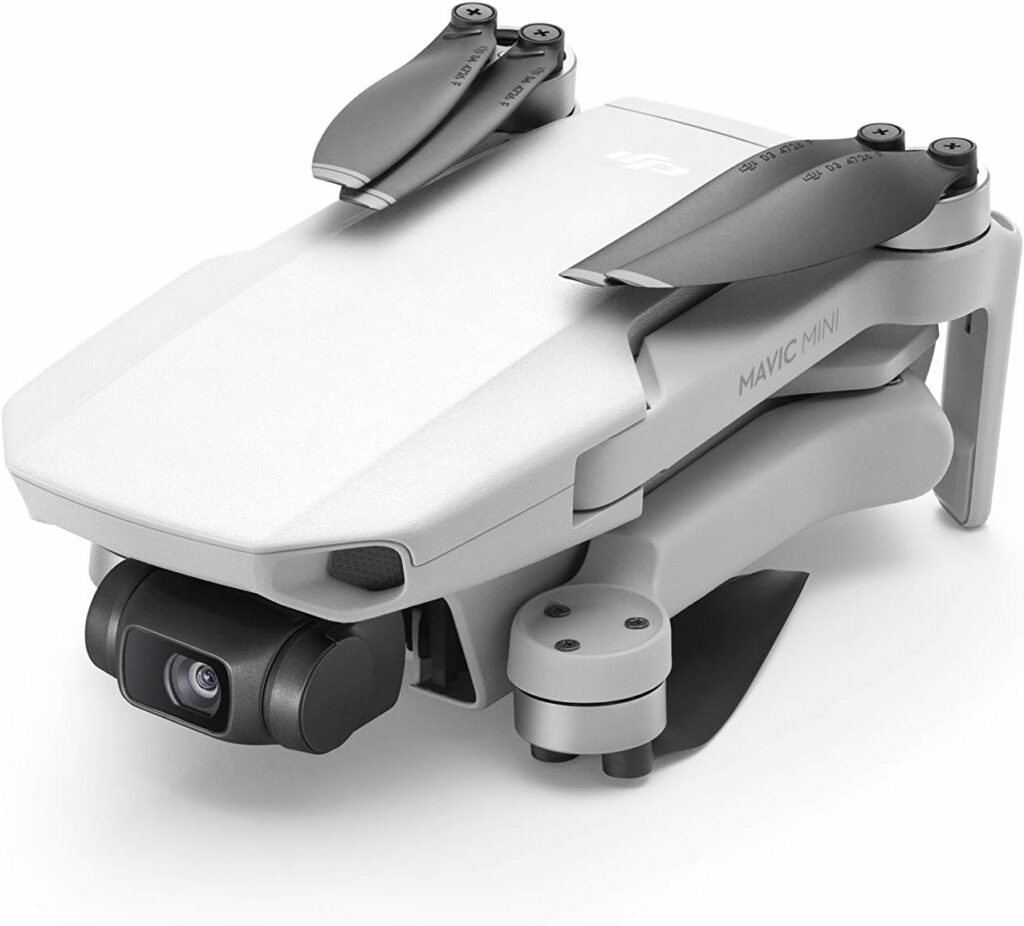
Another top-notch daily tech tool is an Apple smartwatch. These wearable gadgets have evolved so much that they are now mini smartphones on our wrist. Except for their compact size and portability, they also track fitness, help manage stress levels, and even pay for purchases. A smartwatch is a cool gift that will surely blend with the recipient’s daily routine.
When considering tech gifts that will seamlessly integrate into the daily lifestyle of your loved ones, consider gizmos designed for home and office use. For instance, a Voice-activated Smart Home Display that functions as a hub for all smart home devices, shows personalized content and even makes video calls. This gadget is not just useful, but it is a step into the future.
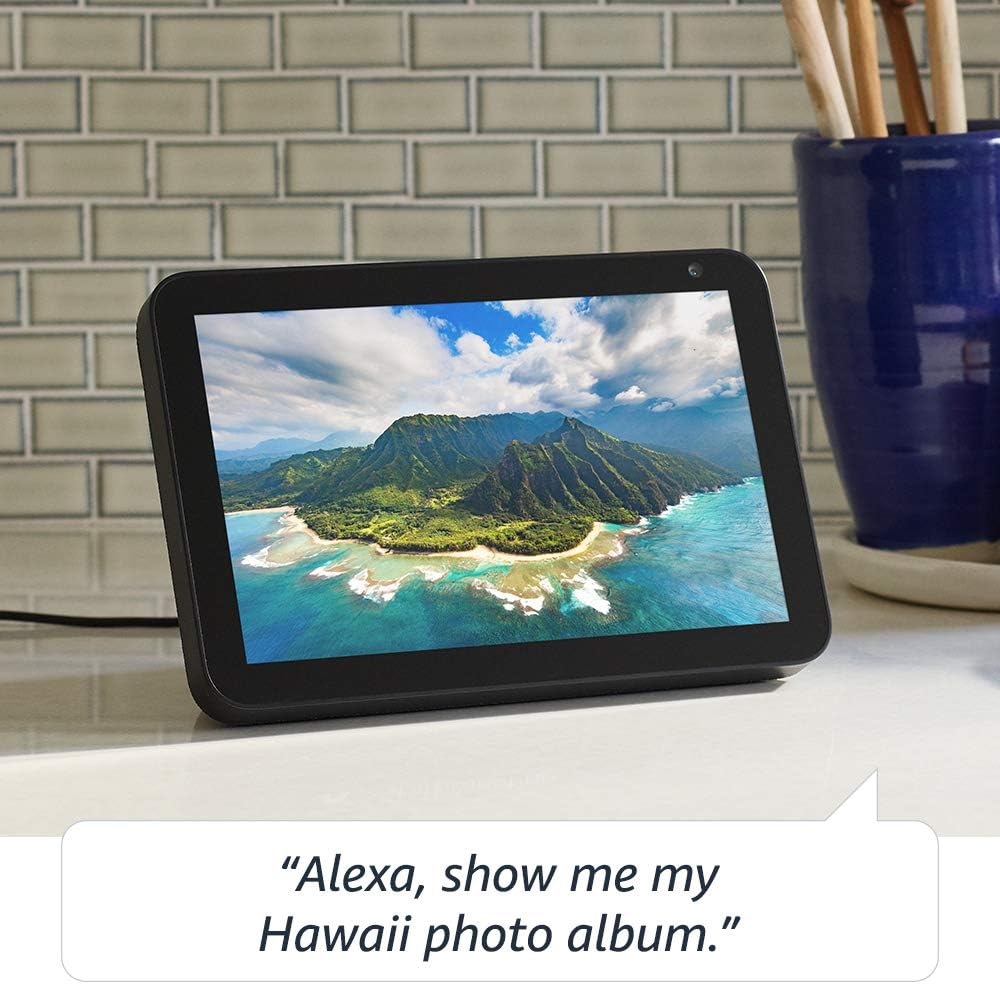
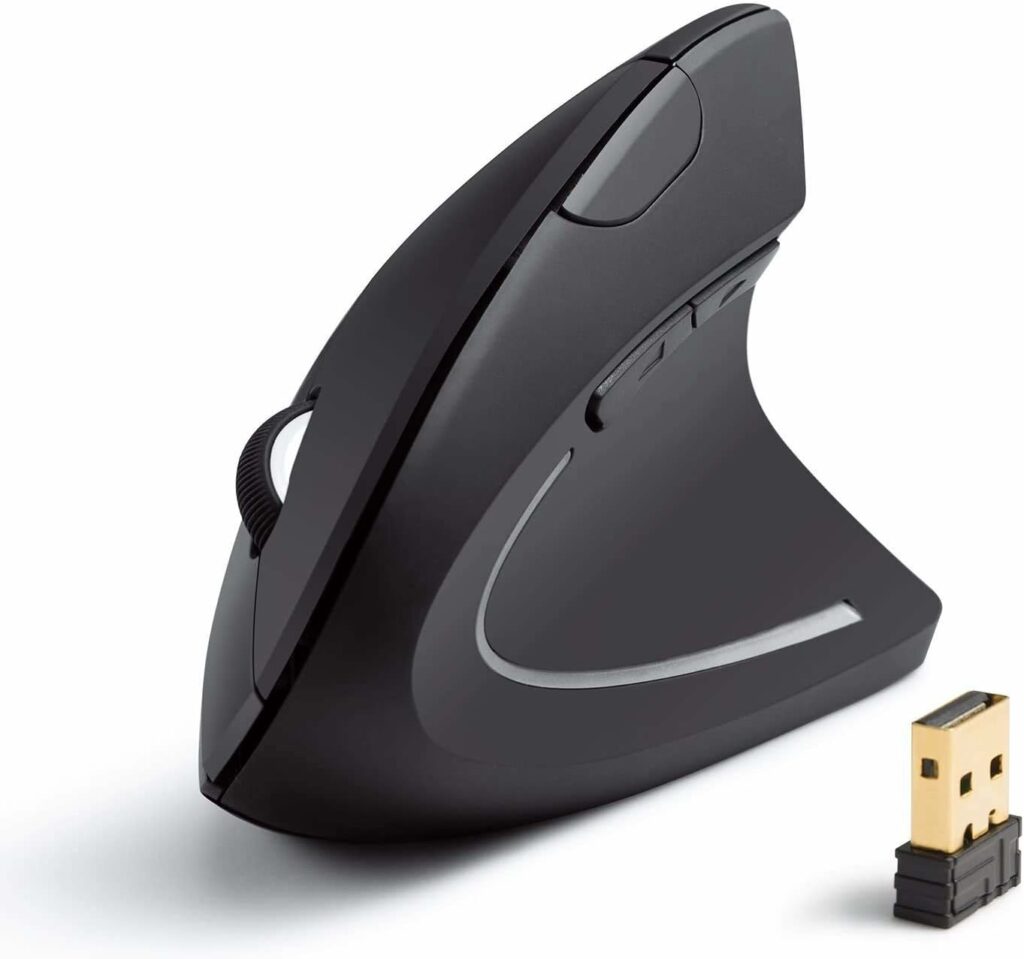
For the work-from-home technology lover, an Ergonomic Wireless Mouse would prove to be a considerate gift. This impressive item is designed with a vertical grip to reduce wrist strain during long work hours and it has a high-precision tracking system for smooth navigation.
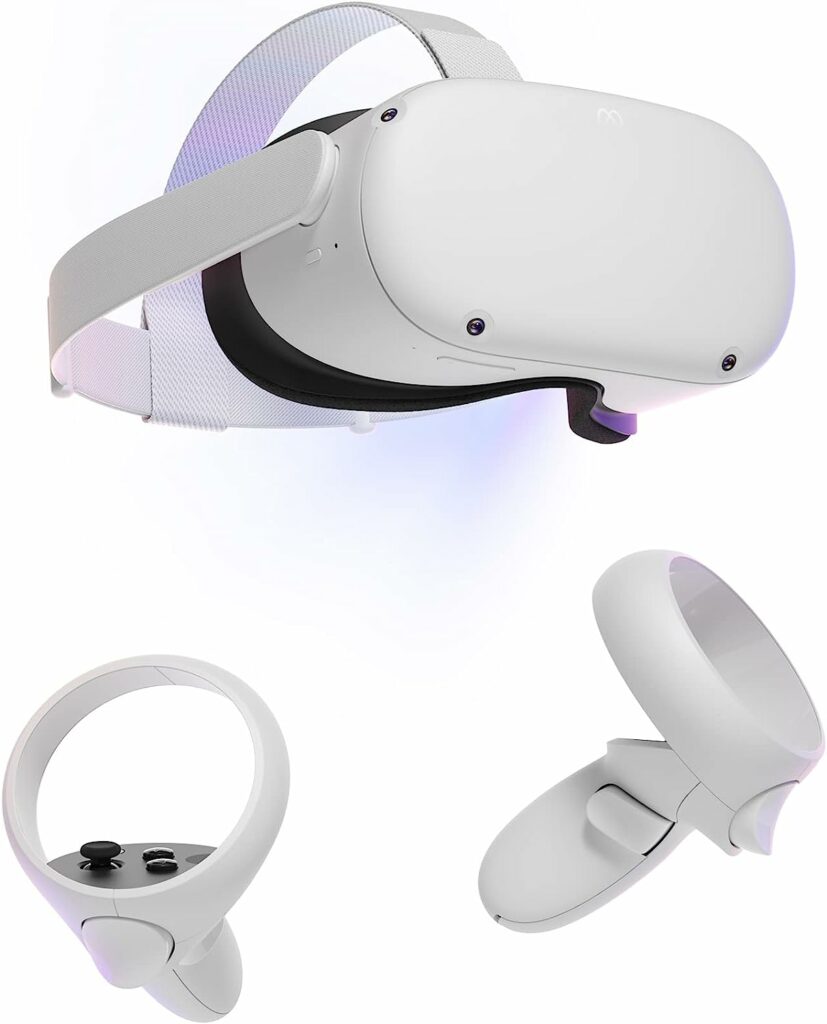
If your tech-loving gift recipient leans more towards the entertainment side of technology, then we’ve got you covered too. A VR Headset is a fantastic tech gift that can transport them into different worlds right in the comfort of their own home.
And lastly, for those who treasure their music, an Portable Smart Speaker with voice recognition and a powerful battery life will bring their tunes to life wherever they go. It’s a great way to add rhythm to every step they take.
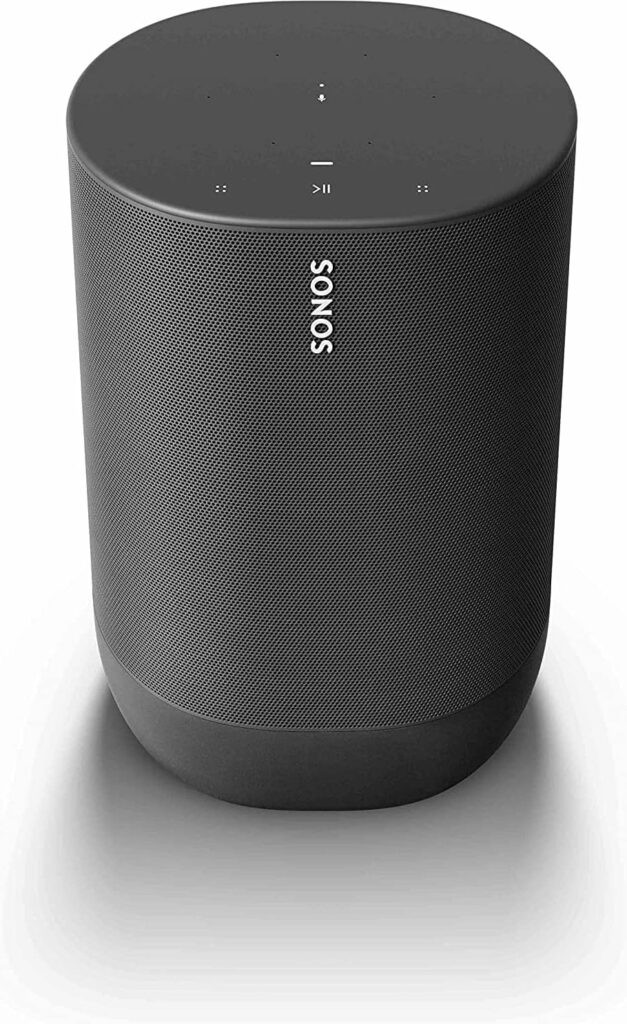
Remember, the best tech gifts are not only innovative and exciting, but also gadgets that will truly add value to their everyday lives.
Picking out gifts for gaming enthusiasts is now easier with the new generation of high-tech gaming consoles. The PlayStation 5 and Xbox Series X are two of the most powerful consoles currently available on the market. Not only do they offer faster load times, higher resolution games, and backward compatibility, but they also serve as an entertainment center; providing access to Netflix, YouTube, Spotify, and more. Additionally, consider accessories such as VR headsets or elite controllers as a cherry on top.

For tech lovers who also enjoy a bit of convenience and sophistication in their homes, smart home devices are an ideal option. Devices like the Amazon Echo or Google Nest provide not only music streaming services, but also voice-controlled personal assistants, home automation control, and internet browsing. Meanwhile, smart TV’s, as well as smart lighting or thermostat systems, can be the perfect gift to enhance their living spaces with state-of-the-art technology.
For media lovers, advanced audio-visual devices can take their entertainment experience to another level. Consider a high-end wireless headphone like the Sony WH-1000XM4 that offers exceptional sound quality, active noise cancellation, and extended battery life. A portable projector like the Anker Nebula Capsule II is also an excellent choice as it allows them to enjoy a cinema-like experience right at home. High-resolution cameras such as GoPro Hero 9 could be another great addition to their gadget collection, offering exciting possibilities in capturing their adventures.
For anyone wrapped up in the world of technology, wearable tech items serve as perfect gifts. The most popular among these are smartwatches such as the Apple Watch or Fitbit. These devices have features beyond telling time, such as fitness tracking, heart rate monitoring, GPS navigation, and more, all while seamlessly syncing with smartphones.
Another unique gift idea is a pair of smart glasses. Products like Google Glass or Amazon Echo Frames come with impressive features like augmented reality, built-in assistants, and audio capabilities. They not only showcase the wearer’s sense of style but also their love for tech.
To really leave a lasting impression on the tech enthusiasts, consider gifting futuristic personal items. Many people find utility in smart backpacks, equipped with built-in USB charging points, fingerprint locks, and advanced storage solutions.
A tech-friendly wallet could also make for a wonderful surprise. Brands have released innovative wallets that can connect to phones through Bluetooth, allowing owners to keep track of their valuables easily. Some even offer an integrated power bank or WiFi hotspot.
Embrace the rising trend of smart homes by gifting tech lovers smart accessories for their home. Products like Amazon’s Echo Dot or Google’s Nest Mini offer voice-controlled assistance and home automation abilities that many find irresistible.
Aside from that, smart lighting systems such as Philips Hue can change the ambiance of a room with just a voice command or a tap on the smartphone. These make for delightful gifts for anyone who enjoys experimenting with different technology in their living spaces.
Keeping pace with advancements in technology, manufacturers are continually introducing innovative computer gadgets that make excellent gifts for tech enthusiasts. The latest laptops feature high-resolution displays, advanced processors, and sleek designs, offering superior performance and functionality. For instance, the MacBook Pro with an M1 chip has been lauded for unbelievable speed and power, while models like the Dell XPS 13 are praised for incredible design and portability.
Standing alongside these are powerful tablets like the Microsoft Surface Pro 7 and iPad Pro, which offer robust computing capabilities in a compact form. These lightweight devices present the perfect balance between work and play, making them an ideal gift choice.
In the realm of gaming, the gear you choose can significantly elevate your experience. For the dedicated gamer, consider gifting the Playstation 5 or Xbox Series X; these consoles represent the pinnacle of gaming technology with their unrivaled processing power, stunning graphics, and innovative controllers.
For PC gamers, a high-performance gaming keyboard and mouse, such as the Razer BlackWidow V3 Pro and Logitech G502 Lightspeed, can improve precision and response times. Noise-cancelling headphones, like the SteelSeries Arctis Pro, not only deliver exceptional sound quality but also add a new level of immersion to gaming sessions.
Finally, it’s not just the primary devices that matter—accessories have become integral to our digital lives. Smartwatches like the Apple Watch Series 6 or Samsung Galaxy Watch 3 stand out for their mix of lifestyle and health features. They don’t just tell time; they monitor heart rate, track sleep, and even detect falls.
Other stylish accessories include wireless earbuds—Apple’s AirPods Pro and the Samsung Galaxy Buds Pro are leading the pack with their superior sound quality and comfort. Moreover, portable power banks like the Anker PowerCore+ 26800 are a must-have for the tech-savvy traveller, ensuring their devices never run out of juice when on the move.
source https://api.follow.it/track-rss-story-click/v3/3eU57XeRfgXhzh5n2-rYy-4aBrSGzXc05PkcmDLodR8
In the digital era, coding is a prized skill.
Whether you’re looking to change careers, enhance your current profession, or are driven by pure curiosity, understanding the basics is your first step.
This guide will introduce core programming concepts and spotlight the languages best suited for beginners.
[IMAGE DESCRIPTION]: A graphic representing the relationship between humans, programming languages, and computers.
[IMAGE DESCRIPTION]: A bar chart comparing the popularity and ease of learning for different beginner-friendly programming languages.
Embarking on your coding journey is a commitment to continuous learning and growth. With a grasp of foundational concepts and an understanding of beginner-friendly languages, you’re poised to dive deeper into the captivating world of programming.
source https://api.follow.it/track-rss-story-click/v3/3eU57XeRfgXhzh5n2-rYy_9RPTkcVgqK5PkcmDLodR8
In an era where the online presence is paramount, creating a website or a web application is no longer an option but a necessity. Whether for personal use, a small business, or a budding startup, understanding the foundational elements of web creation can set you on a successful path. This guide seeks to simplify this process.
[IMAGE DESCRIPTION]: A split-screen graphic contrasting a static webpage with an interactive web application.
[IMAGE DESCRIPTION]: A schematic showcasing the various layers of a web application, from user interface to data storage.
Building a website or web application might seem daunting at first glance, but with the right resources, dedication, and a touch of creativity, you can create a compelling digital presence that resonates with your audience.
source https://api.follow.it/track-rss-story-click/v3/3eU57XeRfgXhzh5n2-rYywXMimhxAw9LmzSiHFo7pis
Encountering bugs and issues is an inevitable part of the coding journey. However, the ability to effectively troubleshoot these problems separates good developers from great ones. Let’s explore the essential debugging strategies and resources that can help you swiftly navigate and resolve coding challenges.
[IMAGE DESCRIPTION]: Three icons representing each type of error: a crossed-out “ABC” for syntax, a twisted arrow for logic, and a running stopwatch for runtime.
[IMAGE DESCRIPTION]: A screenshot of an IDE highlighting a line of code with an error.
Debugging is an art and a crucial skill that sharpens over time and with experience. With the right tools, a systematic approach, and an ever-curious mindset, you can conquer any coding challenge that comes your way.
source https://api.follow.it/track-rss-story-click/v3/3eU57XeRfgXhzh5n2-rYywXMimhxAw9L7N2wKYdqTMc
In the world of software development, collaboration isn’t just a buzzword—it’s a necessity. Combining the skills and expertise of different developers can lead to innovative solutions and faster project completion. However, working as a team also presents its own set of challenges. Let’s unpack the strategies and tools that can make your collaborative coding experience smooth and efficient.
[IMAGE DESCRIPTION]: A flowchart showing how different code branches can merge into a main codebase.
[IMAGE DESCRIPTION]: Two parallel lines of code showing differences and a middle line showing the merged result.
Collaborative coding can be a rewarding experience when done right. With the blend of the right tools, clear communication, and mutual respect, teams can push the boundaries of innovation and craft outstanding software solutions.
source https://api.follow.it/track-rss-story-click/v3/3eU57XeRfgXhzh5n2-rYywXMimhxAw9LKWYWRfszUnA
The heart of any home is its kitchen. But before diving into recipes and culinary wonders, understanding the core principles of kitchen safety and sanitation is paramount. Whether you’re a seasoned chef or a beginner, adhering to these practices ensures not just delicious, but also safe meals.
[IMAGE DESCRIPTION]: An infographic showing correct and incorrect ways to hold a knife.
[IMAGE DESCRIPTION]: A thermometer showing the safe temperature zones for various foods.
A kitchen thrives not just on the skills of the chef, but on the standards of safety and cleanliness maintained. By adhering to these basic safety and sanitation practices, you can ensure that every meal you prepare is a safe, delicious delight.
source https://api.follow.it/track-rss-story-click/v3/3eU57XeRfgXhzh5n2-rYywXMimhxAw9LlWMfqp1h0CQ
With the hustle and bustle of daily life, ensuring each meal is both delicious and nutritious can be a challenge. Meal planning isn’t just a buzzword for the health-conscious; it’s a practical strategy to streamline cooking and promote better eating habits. Let’s embark on a journey to understand the intricacies of meal planning and nutrition.
[IMAGE DESCRIPTION]: A pie chart showing a breakdown of macronutrients.
[IMAGE DESCRIPTION]: A plate showcasing a balanced meal with vibrant, seasonal vegetables.
Meal planning is a fusion of art and science. With a dash of creativity and a sprinkle of nutritional knowledge, you can create a roadmap to delightful and healthful eating. By investing a little time and thought into planning, the rewards of a nutritious, varied, and tasty diet await.
source https://api.follow.it/track-rss-story-click/v3/3eU57XeRfgXhzh5n2-rYy0Owp8fttqF6XVxZaiv1g-8
Cooking, often perceived as an art, is deeply rooted in technique. Mastering the basics can dramatically uplift the dishes you present, turning an ordinary meal into a gourmet experience. This guide aims to demystify key techniques and provide recipes that’ll bring out the chef in you.
[IMAGE DESCRIPTION]: A collage of different cooking methods, highlighting searing, stewing, and roasting.
[IMAGE DESCRIPTION]: A sumptuous plate of hearty beef stew with a side of crusty bread.
Every cooking technique, when mastered, unlocks a world of culinary possibilities. By refining your skills and experimenting with recipes, you’re not just preparing a meal; you’re crafting an experience, a story on a plate.
source https://api.follow.it/track-rss-story-click/v3/3eU57XeRfgXhzh5n2-rYy0Owp8fttqF65PkcmDLodR8
 Gary Crank